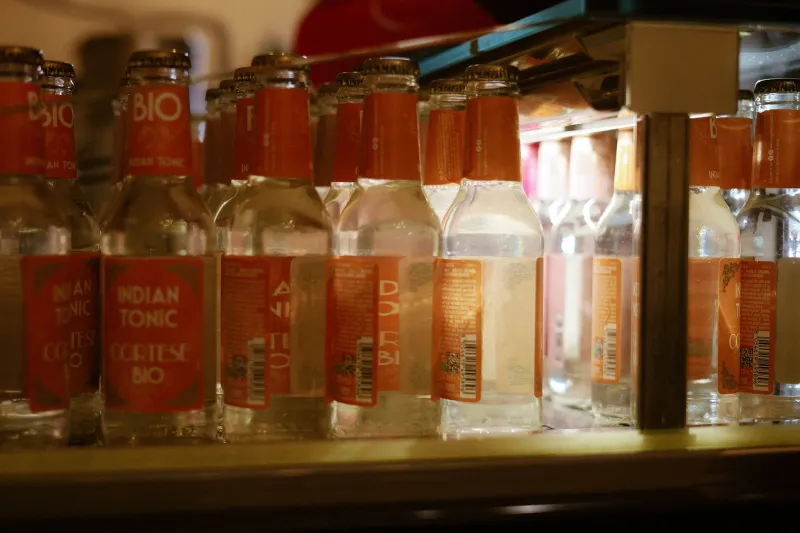
When Ports Get Moody, Shelves Shouldn't: A Caribbean Beverage Supply Playbook

Every retail partner eventually asks some version of the same question: when things get complicated, will the product still be there? For Caribbean beverage brands selling into the U.S., that question carries extra weight. Tropical weather can shuffle port schedules, slow drayage, and turn a routine replenishment cycle into a puzzle. The brands that handle it well do not just protect sales. They earn a reputation for shelf continuity that pays off long after the storm track clears.
As the 2026 Atlantic hurricane season winds down, this is the right moment for producers and their U.S. partners to review what worked, what got tight, and what should be locked in before next summer. The goal is not to predict the weather. It is to make the supply chain less weather-dependent than it used to be.
Shelf Continuity Is a Brand Promise
Retailers do not sell a beverage brand's story in the abstract. They sell what is on the shelf today. If a Caribbean soda or tropical juice line goes missing for three weeks, the shopper may try something else, and the retailer may decide the category is more trouble than it is worth. That is why supply reliability belongs in the brand conversation alongside flavor, packaging, and price.
For Caribbean producers, storm-season planning is a competitive advantage hiding in plain sight. Plenty of suppliers can talk about authentic flavor. Fewer can show a U.S. retail buyer a credible plan for keeping shelves full when ports get moody. That plan does not need to be glamorous. It needs to be specific, repeatable, and communicated early.
Build the Buffer Before the Forecast Gets Loud
Pre-season inventory builds are the simplest form of insurance, but they require discipline. The mistake many brands make is waiting until a named storm is in the forecast. By then, production slots, container availability, and warehouse space are already tightening. A better approach is to map the U.S. selling calendar and build buffer stock around the periods when disruption would hurt most.
That means looking at more than hurricane season alone. Summer volume, back-to-school programs, holiday feature ads, and spring resets all create moments when an empty shelf is especially costly. A brand might decide to hold an extra four to six weeks of core SKUs in a U.S. warehouse before peak season, then draw that inventory down in a planned way. The buffer should be intentional, not accidental overflow.
Cash flow matters here. Inventory sitting in a warehouse is money not sitting in the bank. Caribbean beverage brands should work with distributors and retail partners to share the cost of readiness where possible. A short-term storage allowance, a committed preseason order, or a shared forecast can make the difference between a thoughtful buffer and a gamble.
Ports, Drayage, and the Art of Having a Plan B
Most Caribbean beverage shipments into the U.S. move through Florida ports, but smart planning does not stop there. Port Miami, Port Everglades, Jacksonville, Savannah, and Charleston can all play a role depending on the origin, the carrier, and the final destination. The point is not to switch ports every time the wind changes. The point is to know which alternatives are realistic before you need them.
Drayage is often the overlooked link. A container can arrive on time and still sit because the trucking capacity is not there, the chassis is unavailable, or the warehouse appointment calendar is full. Brands should identify backup drayage providers in each major port market and understand their cutoff times. It also helps to know which inland distribution centers can receive product on short notice and which ones need more lead time.
Alternate routing should be documented, not improvised. A one-page supply continuity sheet can list primary and secondary ports, drayage contacts, estimated transit differences, and the person responsible for triggering a switch. That sheet should live with the sales team, the distributor, and the broker. When a disruption hits, nobody wants to be searching through old emails for a trucking contact.
Talk to Distributors Before the Storm Has a Name
Distributor communication is where many supply plans succeed or fail. Retail buyers and distributor sales teams need honest updates, not optimistic silence. If a shipment is delayed, say so early. If allocation is likely, explain how it will work. If a promotional program may need to shift, offer a solution before the retailer discovers the gap.
A simple communication rhythm helps. During peak season, a weekly supply note to distributor partners can cover open orders, in-transit inventory, expected arrivals, and any risk flags. It does not need to be long. It needs to be consistent. When a storm is actually in the forecast, that rhythm can tighten to daily updates without creating panic.
Brands should also give distributor sales teams the language they need. A rep walking into a store needs to know whether the product is temporarily out, arriving Friday, or being allocated by account. Vague answers erode trust. Clear ones protect the relationship even when the news is not perfect.
What Retailers Actually Want During a Disruption
Retailers understand that weather happens. What they dislike is surprise. During a supply disruption, most buyers want four things: a realistic ETA, a clear allocation plan, a backup option, and a contact who answers the phone.
Backup options can be creative. If a core flavor is delayed, can a nearby flavor or pack size fill part of the gap? If a promotional display is at risk, can the timing shift? If a regional grocery chain needs product for a weekend ad, can a smaller reorder be prioritized? These are not compromises to the brand. They are evidence that the supplier is thinking like a retail partner.
It also helps to document the recovery plan. Retailers want to know when normal service will resume, not just when the next partial shipment will arrive. A short recovery timeline, even if it changes, gives buyers something to work with. It also makes the brand look organized under pressure.
Turn Storm Season Into a Selling Story
There is a positive angle here that many Caribbean beverage brands underuse. Retail buyers are always looking for suppliers who reduce their workload. A brand that can show a written continuity plan, a preseason inventory strategy, and a clear distributor communication cadence is easier to say yes to than a brand that only promises great flavor.
That story can be part of the sales presentation. It does not need to be dramatic. A slide titled 'How We Keep the Shelf Stocked' can cover buffer inventory, alternate ports, drayage backups, and escalation contacts. For a U.S. retail partner, that is reassurance. For a Caribbean producer, it is a point of difference that larger, less flexible suppliers may not bother to offer.
Dewmar International's view is simple: Caribbean flavors deserve American shelf space, and they keep it when the supply chain behaves like a promise rather than a hope. Storm season will always bring uncertainty. The brands that plan for it can turn that uncertainty into trust — one full shelf at a time.
The Takeaway
Supply resilience is not a back-office chore. It is a retail strategy. Build buffer inventory before the forecast gets loud. Know your alternate ports and drayage providers. Communicate with distributors on a rhythm, not a whim. And give retailers the honest updates and recovery timelines they need to plan their own business.
When ports get moody, shelves should not have to pay the price. That is the standard Caribbean beverage brands can set — and the advantage they can own.