The Rep With the Route: Why Distributor Sales Teams Hold the Keys to Caribbean Beverage Growth

Photo: beverage distributor sales representative with clipboard in grocery store aisle, via i.pinimg.com
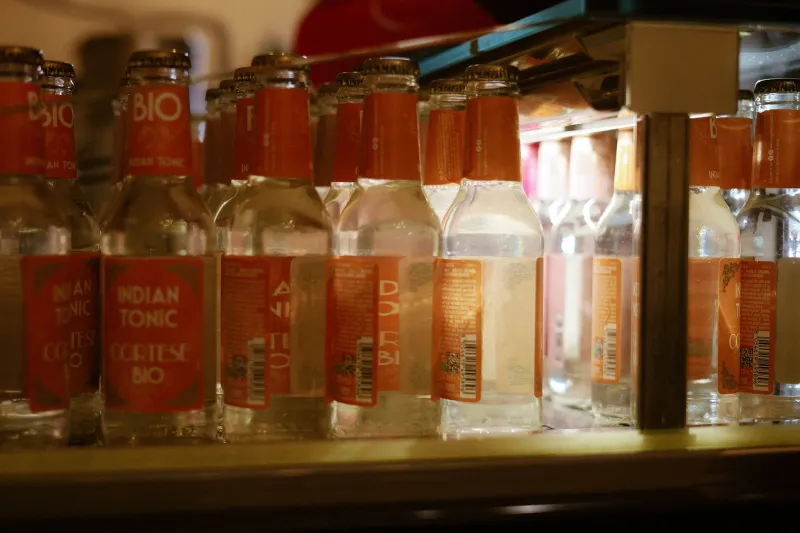
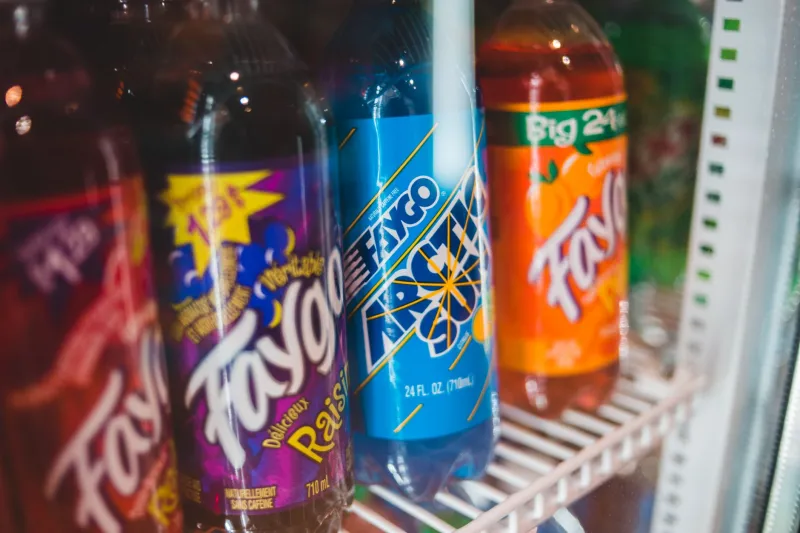
Walk into a US grocery aisle in 2026 and the beverage shelf looks like a travel brochure. Coconut water, tropical sodas, ginger brews, fruit-forward mixers — everyone wants a passport. But for a Caribbean beverage brand trying to move from a regional favorite to a national shelf, the real gatekeeper is not always the category buyer. Often, it is the distributor sales rep with a route book, a clipboard, and forty accounts to see before Friday.
That rep is the handshake behind the shelf. Buyers set the plan. Distributors move the cases. But the rep decides which new item gets a fair mention, which cooler gets a sample, and which brand gets a second order when the first one sells down. For Caribbean brands, that makes the distributor's palate as important as the retailer's purchase order.
The Buyer Signs the Sheet. The Rep Moves the Case.
Specialty food distributors are not just warehouses with trucks. They are relationship networks. Their sales teams know which independent grocer cares about clean-label sodas, which bodega owner will test a new tropical flavor by the register, and which restaurant supply account wants a Caribbean mixer for its bar program. That local knowledge is hard to buy and easy to waste.
A retailer may agree to take a product, but the rep is the one who walks in, faces the shelf, and tells the story. If the rep understands the brand, the product gets a better shot. If the rep is confused by the label, unsure of the price point, or worried about slow turns, the product can sit in the back room until the next reset.
The lesson for Caribbean beverage brands is simple: do not treat distributors like a delivery service. Treat them like a sales floor.
What a Distributor Rep Actually Needs From You
Reps are busy. They carry hundreds of SKUs and hear dozens of pitches. A Caribbean brand that makes the rep's job easier earns attention. That starts with a short, useful toolkit.
First, give the rep a one-sentence story. Not a paragraph. Not a brand manifesto. Something like: “A Caribbean-style soda that works as a stand-alone treat and as a low-proof mixer.” That sentence helps the rep place the product in the right account instead of guessing.
Second, be clear about margin and velocity. Reps care about what sells and what comes back. Show realistic expectations by channel. A corner store may move single bottles; a specialty grocer may want four-packs; a bar account may care about mixability. Do not promise national velocity from a few test accounts.
Third, make handling obvious. Case dimensions, pallet configuration, shelf life, storage needs, and UPCs should be easy to find. In 2026, distributors are still dealing with tight warehouse space and labor shortages. A brand that creates extra handling work gets pushed to the bottom of the route.
Finally, provide merchandising that fits real shelves. A shelf talker, a simple cooler sticker, and a clean sell sheet are more useful than a box of complicated displays. The goal is not to make the rep a brand ambassador for a day. The goal is to make the brand easy to explain in ten seconds.
Sampling That Doesn't Feel Like a Favor
Sampling is where distributor relationships are won. But sampling should not be a one-time favor. It should be a system. Send reps sample kits before sales meetings. Include enough product for the rep to taste and enough for the rep to leave with a key account. Add a short tasting note that explains flavor, sweetness, carbonation, and best-use occasions.
For Caribbean brands, flavor memory is a strength. A rep who tastes a proper ginger beer or a coconut soda can describe it with enthusiasm. That enthusiasm travels into accounts. But the rep needs language. “Tropical flavor” is vague. “Bright pineapple with a ginger finish, good over ice with lime” gives the rep something to say.
Do not skip the back-office staff either. Distributor customer service teams handle reorders, credits, and delivery questions. A quick training session for them can prevent small problems from becoming canceled accounts.
Make the Reorder Boring — in a Good Way
A second order is the real proof of shelf fit. The first order is curiosity. The second order is confidence. Brands can build that confidence by making reorders predictable.
Keep packaging consistent. Avoid limited-time cases that complicate ordering. Make sure labels are shelf-ready and barcodes scan without drama. Provide a simple reorder guide by account type. If a retailer sells singles, show the single-bottle case. If a store sells four-packs, show the four-pack case. The rep should not have to translate your product line into basic ordering logic.
Also, watch the data together. Distributor reports can show which accounts are reordering and which are sitting on inventory. Use that information to adjust support, not to blame the route. A slow account may need a better shelf position, a sample, or a different pack size. A fast account may be ready for a second flavor.
Co-Selling Is a Team Sport
One of the fastest ways to lose a distributor rep is to go around them. One of the fastest ways to win is to ride along. Join account calls when invited. Train retail staff. Provide social content that stores can use. Offer to work a tasting table on a Saturday. These moves show the rep that the brand will help carry the load.
In 2026, distributors are also watching their own margins and route efficiency. A brand that helps reps sell is more valuable than a brand that only asks for shelf space. Co-selling can be as simple as a short sales sheet, a monthly call, or a sampling day at a high-potential account.
At Dewmar International, the idea of Caribbean flavors on American shelves depends on these handshakes. The shelf is not won only in a buyer's office. It is won in trucks, route books, and back rooms. The distributor rep may not sign the listing, but they decide whether the brand gets a real chance to stay.
Caribbean beverages have the flavor story. Now they need the route story. Make the rep's job easier, make the reorder boring, and make the next account call a team effort. That is how a brand moves from a first case to a familiar face on the shelf.