Cold Case, Real Conversion: A Practical Cold-Shelf Playbook for Caribbean Sodas
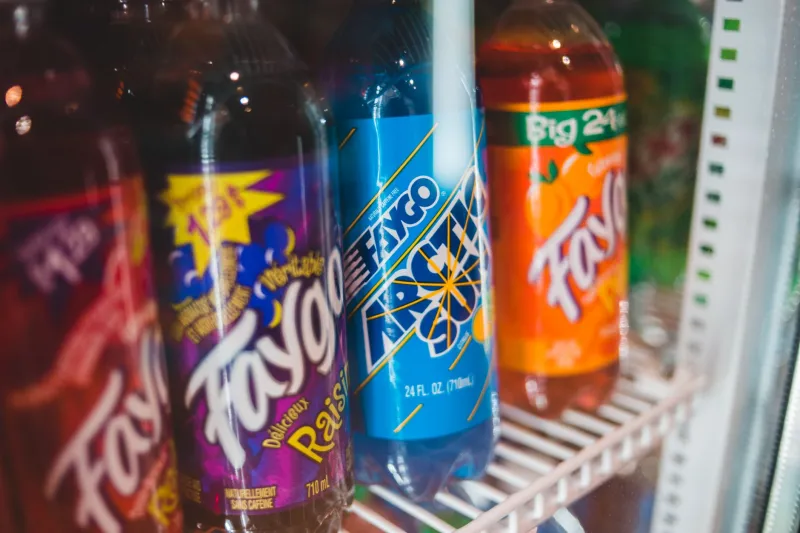
Photo: refrigerated beverage cooler in US grocery store with tropical soda cans and bottles, via haggiswildlifefoundationshop.com
A shopper walks into a convenience store for ice and a sandwich. They are not planning to browse the soda aisle. Their eyes land on the cooler by the register, and a bright bottle of Caribbean-inspired pineapple soda is sitting there, already cold. That is the moment. Not a shelf talker, not a brand story, not a endcap display three aisles over. Just cold product, right where thirst happens.
That is why cold placement deserves more attention than it usually gets. Aisle space matters, especially for brand building and variety. But the cooler is where curiosity becomes a first sip, and a first sip becomes a repeat purchase. For Caribbean soda brands and their retail partners, the cold case is not a nice-to-have. It is one of the fastest paths from trial to habit.
The cold case is a conversion tool, not overflow storage
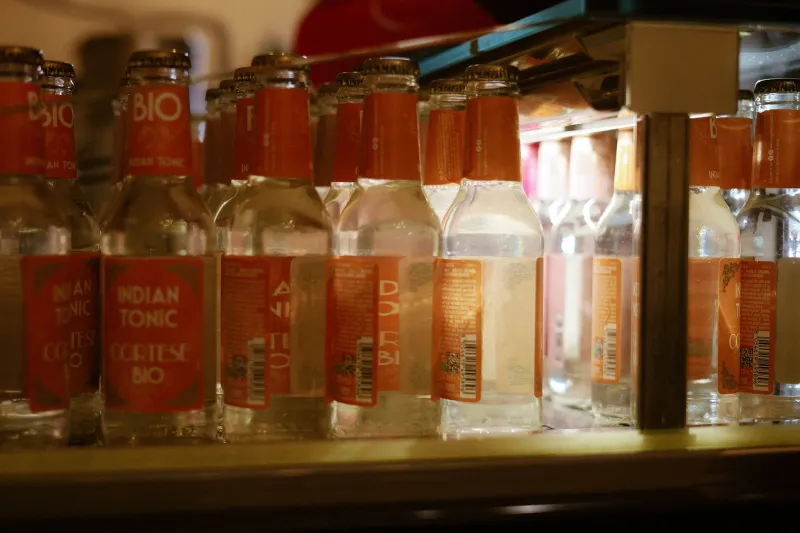
Too many stores treat the cooler like a backroom with glass doors. It becomes a place to park overstock, seasonal leftovers, and whatever did not fit on the warm shelf. That is a missed opportunity. Cold placement shortens the distance between shopper and product. It removes the planning step. A warm bottle asks the shopper to commit, carry, and chill. A cold bottle asks for almost nothing.
There is also a quality signal. Chilled Caribbean sodas feel ready to drink, especially in stores where shoppers are buying lunch, filling a cooler for a park trip, or grabbing something for the ride home. The product looks cared for. It looks like it belongs. That matters for a category still building recognition in many US markets.
This does not mean abandoning the aisle. The aisle is where shoppers compare flavors, read labels, and discover the brand story. The cooler is where they decide whether to try it today. Retailers need both, but they serve different jobs.
Planogram math: earning a cold slot without stealing the aisle
A cold-shelf strategy should be surgical, not sweeping. Most stores cannot hand over a full door to a new Caribbean soda line. They should not have to. The goal is a small, smart presence that proves velocity.
Start with two or three facings at eye level or just below, ideally next to familiar tropical sodas, ginger ales, or flavored carbonated soft drinks. Color-block the lineup so the brand reads as a set, not a stray can. Keep shelf tags clean and current. Rotate stock so the coldest, freshest product is in front. And resist the urge to fill every gap with unrelated SKUs just because the door looks empty.
The aisle can carry the wider variety and multipacks. The cooler should carry the fastest-moving single-serve options. That split protects aisle real estate while giving cold trial a real chance. In many stores, one well-placed cold facing can outsell several warm facings, but the point is not to guess. The point is to measure.
The impulse window: timing beats volume
Cold beverage sales are not evenly distributed across the day. They cluster around need states: the morning commute, the afternoon heat, school pickup, the dinner run, and the late-night snack trip. A cooler that is fully stocked at 7 a.m. and picked over by 6 p.m. is telling a story about timing.
Retailers should watch daypart data rather than just weekly totals. Which flavors move before noon? Which ones spike after 4 p.m.? Does the weekend look different from Tuesday? Stocking to those patterns keeps the cold case productive without overloading it. A full cooler is good. A stale cooler full of the wrong flavors is not.
There is a simple discipline here: check the cold case before the rush, not after. If a store knows its afternoon grab-and-go window starts at 3:30, the cooler should be faced and ready by 3. That is a low-cost operational habit with a direct sales payoff.
Pairings that do the selling: mixers, meals, and late-night runs
Cold Caribbean sodas do not need to sell alone. They perform better when they are placed near the occasion.
For the adult mixer shopper, a cold set near mixers, citrus, and ice can turn a planned purchase into an add-on. Ginger beer, kola, and pineapple sodas have natural crossover with mocktails and cocktails. A small sign that says something like 'chill it, mix it' can do more than a paragraph of brand copy.
For the food shopper, cold placement near grab-and-go meals is just as practical. Sandwiches, empanadas, rotisserie chicken, and deli sides all create a beverage need. A secondary cooler near the deli or prepared foods section can capture that moment without touching the main aisle.
And for the late-night run, the checkout cooler is still one of the most valuable inches in the store. A shopper who came in for a snack may leave with a cold Caribbean soda simply because it was visible at the right moment.
Three cold-shelf tests retailers can run this quarter
Retailers do not need a full reset to learn something useful. These tests are simple, low-risk, and easy to measure.
1. The cold-versus-warm swap test
Pick a small group of stores and give the brand two cold facings for four weeks. In a matched control group, keep the same product warm on the aisle shelf only. Keep price and promotion consistent. Measure units per store per week. The point is not to prove a theory. It is to see where the product actually moves.
2. The daypart restock test
Choose a handful of stores and commit to restocking and facing the cold case by 10 a.m. and again by 3:30 p.m. for 30 days. Compare sell-through against stores following their normal routine. If afternoon sales climb, the store has learned something about its own shoppers.
3. The secondary-cooler test
Place a small branded cooler or a dedicated cold shelf near the deli, mixer aisle, or checkout for 30 days. Track basket size and units per transaction against control stores. This test is especially useful because it shows whether cold placement can grow sales without taking space from the main aisle.
What good looks like
Success is not just a cold case that looks full on day one. It is a cold case that sells through, gets restocked, and brings shoppers back. Retailers should watch repeat purchase, not only first trial. They should compare cold velocity with warm velocity. And they should treat the aisle as the place where the brand explains itself, while the cooler is where the brand proves itself.
For Caribbean soda brands, that distinction is useful. The flavors are distinctive, the packaging can tell a story, and the aisle can carry the cultural context. But the cold case is where a shopper decides to find out what the story tastes like. Get that first impression right, and the second purchase gets a lot easier.