The Zero-Proof Opportunity: Putting Caribbean Sodas in the Adult Mixer Basket
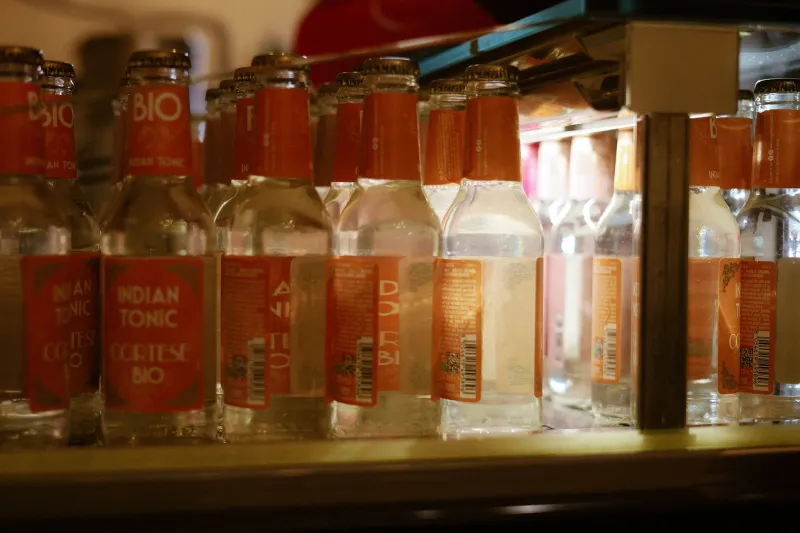
Walk into a US grocery store this fall and you will likely see a section that barely existed a few years ago: zero-proof spirits, non-alcoholic aperitifs, and mocktail mixers sharing shelf space with sparkling water and tonic. The sober-curious shopper is no longer a niche curiosity. They are a parent who wants a real drink at a holiday party, a designated driver who is tired of sweet tea, a Gen Z shopper testing moderation, and a host building a bar cart that works for every guest.
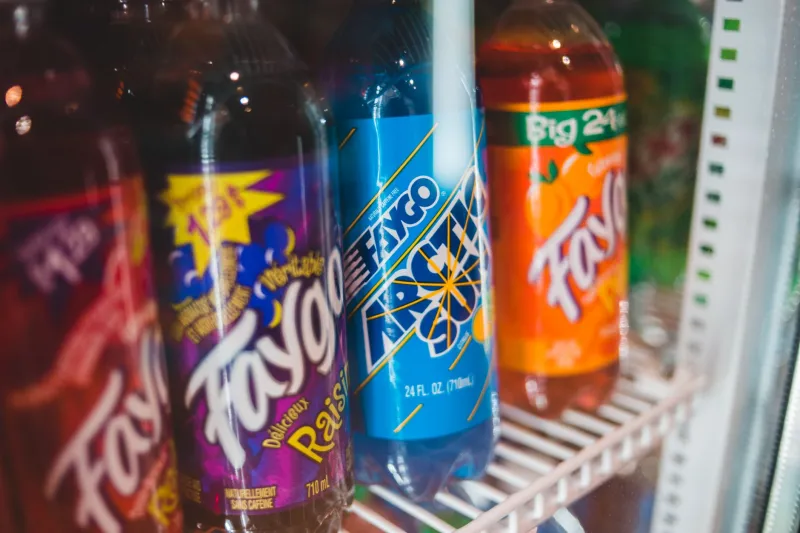
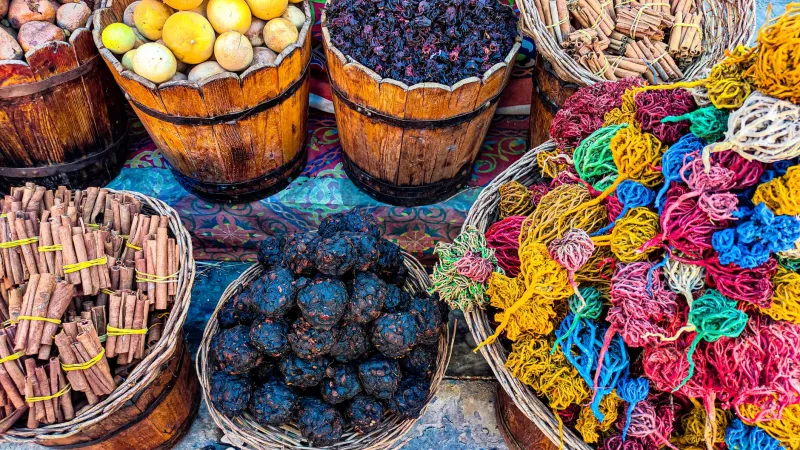
For Caribbean beverage brands, this is not a side conversation. It is a natural extension of what these drinks already do well. Ginger beer has bite. Sorrel brings tartness and color. Coconut is rich and rounded. Pineapple is bright. Kola nut adds a bitter, cola-like depth that mixes beautifully. These are not kids' drinks that need to be dressed up. They are flavorful sodas with enough backbone to carry a mocktail.
The Shopper Is Not Looking for a Compromise
The modern zero-proof shopper is not asking for a drink that mimics alcohol. They are asking for a drink that belongs in the moment. That means a glass, a garnish, a little ceremony, and a flavor profile that can stand next to salty snacks, grilled food, or a holiday spread. Caribbean sodas fit that brief because they already have a story and a layered taste. A ginger beer with lime and mint reads as a Moscow mule without the vodka. A sorrel spritz with soda water and orange peel feels festive without trying too hard.
The retail opportunity is to make that connection obvious. If a shopper has to guess whether a bottle is a mixer or a kids' drink, the sale is lost. Signage, shelf talkers, and secondary displays should do the explaining.
Two Homes, One Bottle
The smartest merchandising move is not to pull Caribbean sodas out of the family beverage aisle. It is to give them a second home. Keep the core placement where parents already shop for juice, soda, and water. Then add a secondary placement in the zero-proof or mixer set, ideally near tonic, sparkling water, citrus, and cocktail garnishes.
This dual placement works because it respects the product's broad appeal. The family aisle says this is a drink for everyone at the table. The mixer set says this is a drink with adult versatility. Neither message cancels the other. Retailers can use shelf tags that read Great with lime and soda or Try it over ice with a splash of sparkling water. Those prompts invite experimentation without narrowing the audience.
Adult-format single serves can help here, especially in glass bottles or premium four-packs. They signal a more considered drink without excluding families. The goal is not to make the product feel off-limits to kids. The goal is to make it feel relevant to the adult who is building a zero-proof round.
Build a Display That Invites Experimentation
A dedicated endcap or seasonal display can turn a few SKUs into a destination. Think of a sign that says Island Zero-Proof Bar or Mocktail Hour, Starts Here. Group three or four flavors with simple recipe cards: ginger beer with lime and mint, pineapple soda with coconut water and a squeeze of lime, sorrel with sparkling water and an orange twist.
Cross-merchandise with items that complete the drink: fresh limes, mint, oranges, sparkling water, cocktail glasses, and ice. A small QR code linking to recipe videos can extend the display beyond the shelf. During the holiday season, a mixer set bundle can work as a host gift or a party starter. In summer, the same logic applies to cookouts and backyard entertaining.
The display should feel easy, not fussy. Most shoppers are not looking for a 12-ingredient cocktail. They want a bottle, a mixer, and a garnish they can pick up in one trip.
Sampling That Does Not Feel Like a Kids' Table
Sampling is where Caribbean sodas can win or lose the zero-proof shopper. Serving the product in a small plastic cup next to a juice box signals that it belongs at a birthday party. Serving it over ice in a rocks glass with a lime wheel signals that it belongs in a mocktail.
The best demos show the same soda two ways: straight from the bottle and mixed with sparkling water or a garnish. That comparison teaches the shopper how the product behaves as a mixer. Staff should be ready with a simple script: This is a Caribbean soda that works beautifully as a zero-proof mixer, and it is still a great drink for the whole family.
Timing matters. Weekend afternoons, pre-holiday weekends, and Dry January are natural sampling windows. Local bartenders or beverage educators can add credibility, especially if they demonstrate a three-ingredient mocktail that shoppers can recreate at home. Keep the setup inclusive. Families should feel welcome, and adults should feel like they have found something interesting.
The Margin Is in the Basket, Not Just the Bottle
For retail partners, the financial case is not only about the bottle price. It is about the basket. A shopper who buys a four-pack of Caribbean sodas for a mocktail set may also pick up limes, mint, sparkling water, and glassware. A host buying for a holiday party may add a second flavor or a gift pack. Premium single serves and variety packs can lift the ring without requiring a new production line.
Shelf-stable beverages also have practical advantages over fresh mixers. They are easier to rotate and less prone to shrink than perishable juices. But retailers should still manage assortment carefully. Too many flavors can confuse the shopper. A tight set of three or four hero SKUs, supported by clear recipe suggestions, is often stronger than a crowded shelf.
Keep the Family-Friendly Soul
The biggest risk in chasing the sober-curious shopper is overcorrecting. Caribbean sodas do not need to become adult-only products. Their warmth and inclusivity are part of the brand story. The same bottle that goes into a mocktail for a dinner party can go into a lunchbox or a family cookout.
That balance is achievable with language, not reinvention. Use phrases like for every seat at the table, mocktail-ready, and made for mixing. Keep the vibrant Caribbean identity on the label. Add the adult-use occasion without subtracting the family one.
The zero-proof moment is not a temporary aisle. It is a new way for shoppers to think about flavor, ritual, and hospitality. Caribbean sodas already have the taste and the story. Retail partners who give them a second home in the mixer set can capture the opportunity without losing the audience that made them work in the first place.