Why the Smell of Nutmeg Still Sells: Turning Caribbean Memory Into a Shelf-Ready Brand
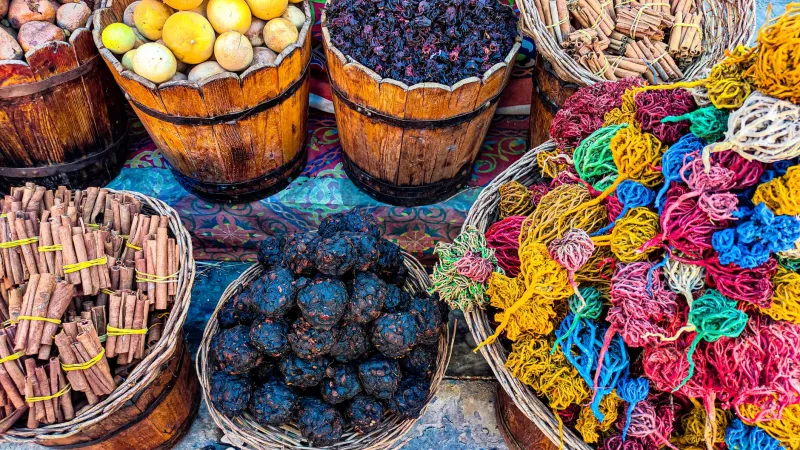
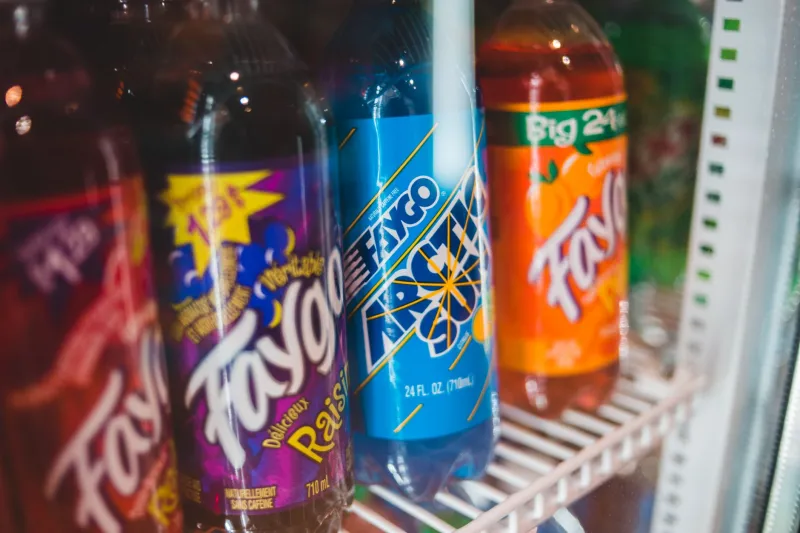
Walk into any bodega in the Bronx or a corner market in Miami's Little Haiti and you'll catch it before you see it: the warm, almost medicinal sweetness of nutmeg, allspice, and vanilla bean drifting from a shelf of Caribbean sodas and tonics. For millions of Americans, that smell isn't exotic. It's a memory. And in the beverage business, memory is the most underrated sales tool there is.
You Can't Sample Your Way to Loyalty
Retail buyers love to talk about flavor profiles, but shoppers don't buy flavor profiles. They buy feelings. A first-time customer might grab a bottle of island-inspired root tonic because the label caught their eye — but they come back because the first sip tasted like a Saturday afternoon in their mother's kitchen, or a roadside stand outside Kingston, or a block party in Flatbush where somebody's aunt showed up with a cooler full of homemade sorrel.
That's the gap most brands miss. They chase "tropical" as a trend — throw a pineapple on the label, call it a day — without understanding that tropical is a look, but Caribbean is a life. The difference shows up in the register tape.
The Senses Do the Selling
When we think about how a Caribbean-rooted brand earns its place on an American shelf, we start with the senses, not the spreadsheet.
Scent and flavor first. Nutmeg, cinnamon, ginger, kola nut, hibiscus — these aren't just ingredients, they're triggers. They're the reason a shopper in Atlanta picks up a bottle of mauby and suddenly needs to call their grandmother. Formulate for that reaction and you've built something no focus group can fake.
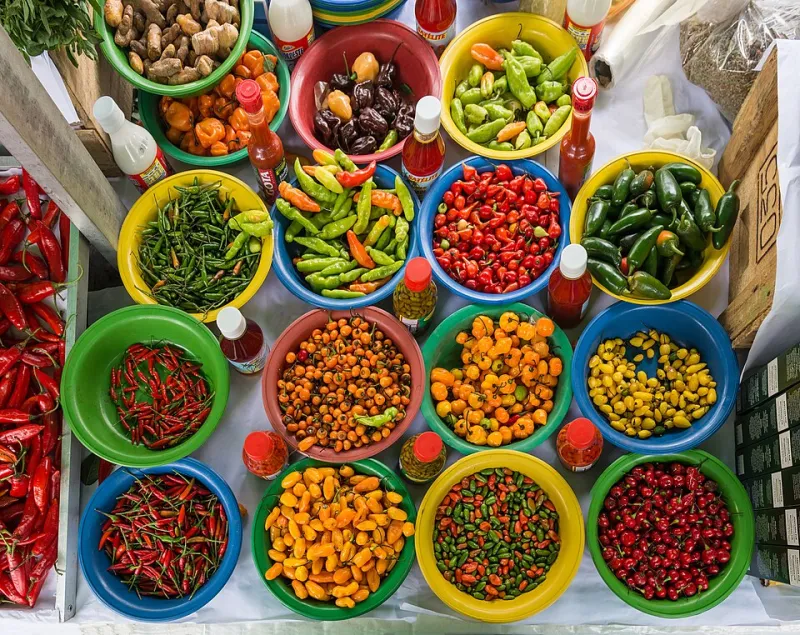
Color that talks. Deep ruby sorrel red. The mossy green of a cold bottle sweating in the sun. Caribbean beverages have a visual language all their own, and it photographs beautifully — which matters more than ever when your shelf presence doubles as your social media presence.
Sound and story. The name of a drink, the rhythm of the words on the label, the little phrases that only make sense if you grew up with them — these are invitations. Done right, they make outsiders curious and insiders feel seen. That's a rare combination in CPG.
The Diaspora Is Your First Shelf
Here's a truth every beverage founder from the islands learns fast: your first customers aren't in the grocery aisle of a national chain. They're in the Caribbean bakery in Brooklyn, the West Indian grocery in Lauderdale Lakes, the halal market in Detroit where a Guyanese family shops on Sundays.
Diaspora communities function as a brand's proof of concept. If your product can earn a permanent spot in a neighborhood store where customers know exactly what it's supposed to taste like — where a wrong batch of ginger beer gets called out at the counter — you've passed a quality test no marketing budget can buy.
And those first customers talk. They carry bottles to cookouts, to church, to coworkers who've never heard of sea moss but are suddenly very interested. Organic word-of-mouth from a community that takes its flavors seriously is how a regional brand builds the credibility to walk into a distributor meeting with actual velocity numbers instead of a PowerPoint and a prayer.
Authenticity Sells — But It Has to Scale
American retail has developed a sharp ear for phoniness. Shoppers — especially younger ones — can spot a brand that discovered the Caribbean last quarter. What they reward is specificity: real ingredient stories, real sourcing, real names that mean something.
The challenge is translating that authenticity as you grow. A recipe born in a home kitchen has to survive manufacturing, pasteurization, and a 12,000-case production run without losing its soul. That means investing in sourcing relationships, being transparent about what's in the bottle, and resisting the urge to water things down for a "mainstream" palate. Ironically, the more you dilute the flavor, the less it appeals to anyone — the diaspora customer finds it bland, and the curious newcomer never tastes the real thing in the first place.
What Buyers Should Watch
For retailers and distributors reading the market, the signals are hard to ignore. Caribbean and Afro-Caribbean flavors are moving from specialty shelves into mainstream sets. Hibiscus shows up in sparkling waters. Ginger and turmeric own the wellness aisle. Sorrel, mauby, and sea moss are no longer questions at the buyer's meeting — they're line items.
The brands that win this moment won't be the ones with the loudest packaging. They'll be the ones that smell like home — because home, for a whole lot of Americans, tastes like nutmeg, burns a little going down, and comes in a bottle you'd recognize across the store.
That's not a trend. That's a market that's been here the whole time, finally getting shelf space to match.