Small Stores, Big Wins: Winning Over the Corner Shop Before the Chain Stores Call

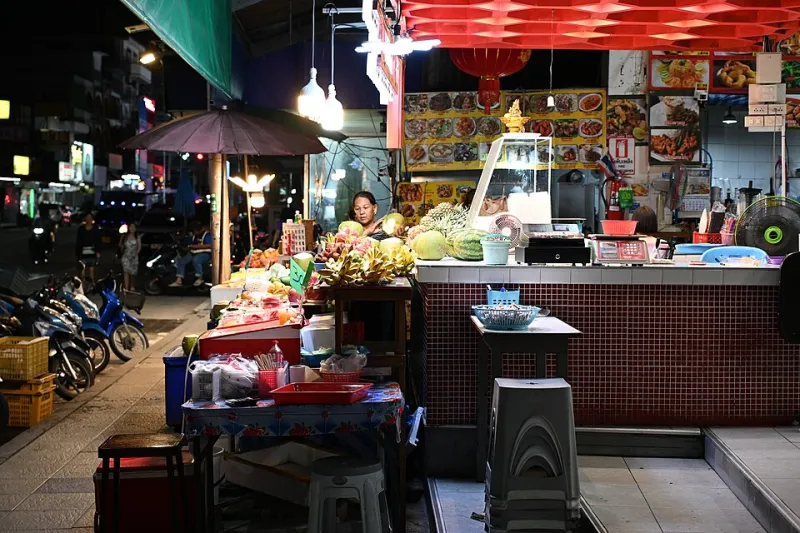
Photo: Robert Ashworth from Bellingham, WA., USA, CC BY 2.0, via Wikimedia Commons
Every beverage founder dreams of the big call — a national chain buyer saying yes, trucks rolling out, shelves from coast to coast. But ask anyone who's actually done it, and they'll tell you the same thing: the road to national usually runs straight through the corner store.
Independent grocers, bodegas, corner markets, neighborhood delis — this middle tier of American retail rarely gets the spotlight, but it moves serious volume and, more importantly, it builds the kind of grassroots demand that makes national buyers take a second look. For brands like ours, rooted in Caribbean flavor and culture, these stores are often the most natural first home. Here's a practical playbook for getting there.
Why Small Stores Matter More Than You Think
There are tens of thousands of independent grocery and convenience stores across the US, and they collectively account for a meaningful slice of beverage sales — especially in urban markets like New York, Philadelphia, Miami, Atlanta, and Chicago. These are the shops where a cold bottle of something tropical sells on a hot afternoon because it's right there, priced right, and the person behind the counter can vouch for it.
That last part matters. In a chain store, your product competes on packaging and placement. In a corner store, it competes on relationships. A shop owner who likes your story, likes your margin, and sees the neighborhood coming back for it becomes your most effective salesperson.
Finding the Right Buyers
Unlike chains, independents don't have formal category managers with appointment calendars. The buyer is usually the owner or a family member, and the pitch happens on the sales floor, not in a slide deck.
A few ways to find them:
- Walk the neighborhoods. Identify stores where your flavor profile already fits — if the shop stocks other island-inspired sodas, juices, or imports, that's a signal.
- Work your local distributor. Many independents buy through cash-and-carry wholesalers or small regional distributors. One conversation with the right distributor can open dozens of doors at once.
- Show up in person. This is a handshake business. Bring product, bring a sample, and bring a one-pager with pricing and margin math. Leave the brand story for after the handshake.
Pricing for Small Formats
Here's where many founders stumble. Small stores operate on thin margins and quick turns, and they know exactly what a bottle should retail for. If your suggested retail price is out of line with the neighborhood, it'll sit on the shelf — and a product that sits is a product that won't get reordered.
Build your pricing backward:
- Know what the shopper will pay in that specific market — often $2 to $3.50 for a single-serve bottle in urban independents.
- Make sure the retailer clears a healthy margin, typically 30 to 40 percent.
- Structure your wholesale price so the math works at volume, and offer case deals or first-order incentives to lower the barrier to that initial yes.
Small cases, flexible terms, and quick replenishment win in this channel. A store with limited backroom space will always favor a brand that can deliver eight cases on a Tuesday over one that requires a pallet drop.
Building Demand Before the Big Leagues
The real value of the independent route is what it proves. When you can show a chain buyer that your drink has velocity data from 60 corner stores in Philadelphia or Newark, you're no longer pitching a concept — you're pitching a track record.
A few grassroots tactics that actually work:
- Sponsor local events. Community festivals, church picnics, Caribbean carnival celebrations, youth sports leagues — these are where your audience already gathers.
- Leverage the counter. Ask shop owners to run simple promos — a discounted price for a month, a sign in the window — and watch how fast word travels in a tight-knit neighborhood.
- Get social locally. Tag the stores, thank the owners, celebrate the neighborhoods. Small shops notice which brands send customers back through their doors.
The Long Game
Distribution in this industry isn't a sprint, and the independent channel rewards patience. Each store that reorders is a data point. Each neighborhood that adopts your brand is a story. Stack enough of them, and the national conversations get a whole lot easier.
For Caribbean-inspired brands especially, the corner store isn't a stepping stone — it's a homecoming. That's where the flavors live, where the community shops, and where American shelves first learned to love the islands. Start there, and build up.