Making the Leap: What It Really Takes for a Regional Island Beverage Brand to Land on National Shelves
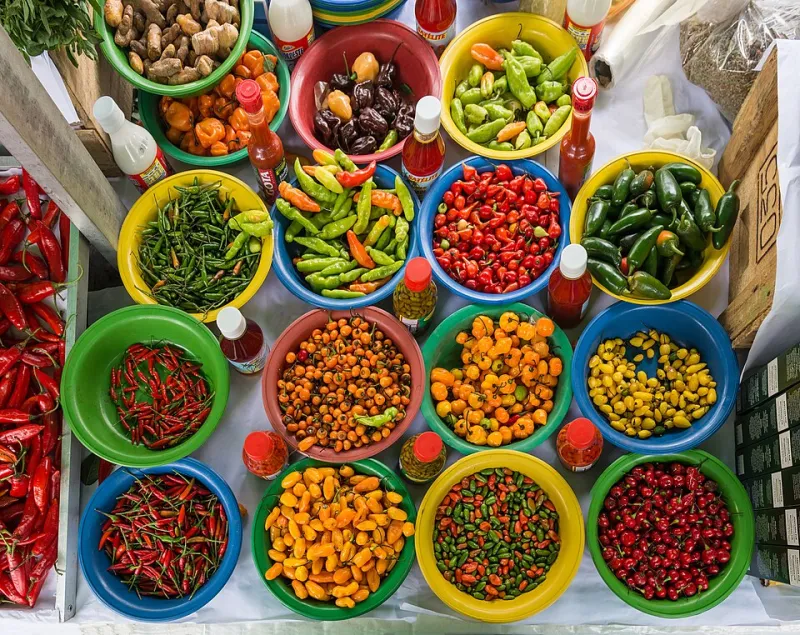
Photo: Wilfredor, CC BY-SA 4.0, via Wikimedia Commons
Every beverage brand has a starting point. For Caribbean-inspired companies, that point is often a single region — a borough in New York, a pocket of South Florida, a cluster of independent grocers in Atlanta or Houston — where the flavors already speak to the community. The drink sells itself there. The hard part isn't the recipe. It's everything that happens after someone in Bentonville or Cincinnati decides to give you a call.
The Regional proving Ground
Before a national chain takes a chance on a brand, the brand has to prove it moves. Regional specialty distributors play an outsized role here. They're the ones placing product in corner bodegas, Caribbean markets, and independent grocery chains where velocity data starts to accumulate.
That early data matters more than most founders expect. A category buyer at a major chain isn't just tasting your sorrel or your ginger-tinged soda — they're asking whether it sold through in a 40-store test, whether it repeated, and whether the demographics of that test market suggest broader appeal. A brand that dominates a neighborhood in the Bronx has a story. A brand that shows sell-through numbers from three regions has an argument.
Getting the Buyer Meeting
Buyer relationships are the currency of national distribution, and they're built long before a pitch deck is opened. Trade shows like Expo West, the PLMA show in Chicago, and regional food expos are where those first conversations happen. But the follow-up is where deals are made.
A few things buyers consistently notice:
- Margins they can work with. A national retailer needs room to promote. If the math only works at full price, the conversation ends quickly.
- Supply reliability. Can you fill 5,000 cases next quarter without a hiccup? Co-packing arrangements and ingredient sourcing need to be locked down before the pitch, not after.
- A story that travels. Island heritage, family recipes, real cane sugar — these are assets, but only if they're framed in a way a shopper in Kansas City understands.
The Slotting Reality
Nobody loves talking about slotting fees, but anyone serious about national distribution has to. Securing shelf space in a major chain can cost tens of thousands of dollars per SKU per region, sometimes more for high-visibility placements. For a growing brand, that's a genuine bet — often funded through credit, investment, or cash flow from the regional business.
The trade-off is real: slotting is expensive, but it's also the fastest route to the velocity data that unlocks everything else. Some brands stagger their approach instead, entering one chain regionally, proving performance, then expanding store by store. Slower, yes. But it preserves capital and reduces the risk of a failed launch haunting future buyer conversations.
Packaging That Travels Well
A label that sings in a Brooklyn bodega can fall flat on a big-box shelf in the Midwest. Localization doesn't mean sanding off the island identity — it means clarifying it. Shoppers unfamiliar with kola nut or sea moss need a cue. "Bold Caribbean ginger" works harder than a name alone. Bilingual or dual-positioned packaging has also opened doors in markets with significant Caribbean and Latin populations, from Florida to the Carolinas.
Shelf impact matters too. National sets are loud, crowded, and fast. Bright colors and a clear flavor callout earn the two seconds a shopper gives your bottle.
The Trade-Offs Nobody Puts in the Deck
Scaling changes things. Small-batch authenticity gives way to co-packing consistency. Direct relationships with independent retailers can strain when a national chain gets an exclusive promo. And the flavor that made the brand beloved sometimes needs subtle adjustment for mass-market palates — a move that risks alienating the very community that built the brand in the first place.
The brands that navigate this best treat their original markets as sacred ground. They keep the neighborhood accounts stocked, keep the recipe recognizable, and let the national expansion fund the mission rather than redefine it.
The Long Game
National distribution isn't a finish line — it's a bigger stage with bigger stakes. The Caribbean-inspired beverage category is having a genuine moment in American retail, and the brands that make the leap successfully will be the ones that paired patience with ambition. Prove it regionally. Tell the story clearly. Do the math honestly. Then, when the buyer call comes, be ready to fill the truck.