The Slow Climb of the Coconut, Pineapple, and Kola Nut: Tropical Flavor's Big Moment in American Retail
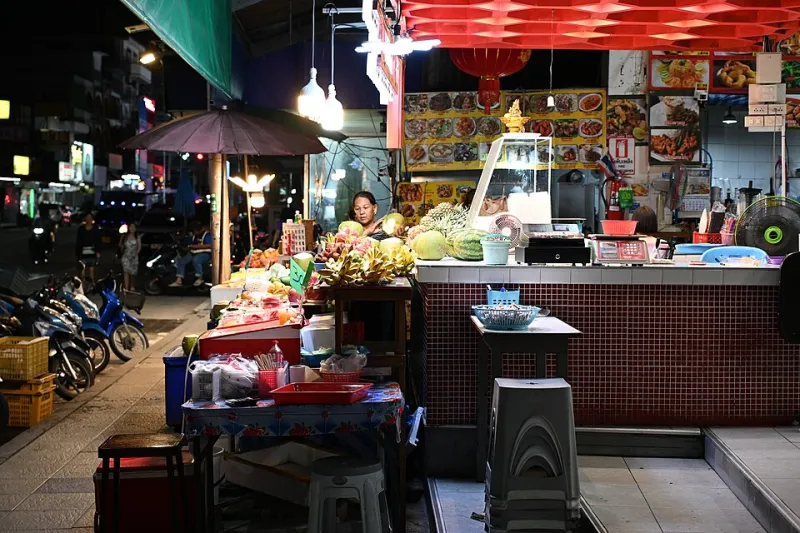
Photo: PattayaPatrol, CC BY-SA 4.0, via Wikimedia Commons
Walk down the beverage aisle of a major grocery chain in Atlanta, Houston, or Newark lately, and you'll notice something that wasn't there a decade ago: color. Bottles of island-inspired punches, coconut-pineapple blends, and boldly spiced sodas now sit shoulder to shoulder with the legacy cola brands that once owned the space.
This isn't a fluke. It's the result of a slow, steady shift in American taste — one that started in Caribbean kitchens and street corners and eventually found its way onto mainstream US shelves.
Flavor Is the New Frontier
American consumers have been in a flavor arms race for years. Once novelty items like sriracha, hibiscus, and mango-chile everything went mainstream, the palate of the average US shopper expanded dramatically. Tropical and Caribbean flavors — think soursop, passion fruit, tamarind, guava, and the ever-reliable pineapple-coconut combo — offer exactly what today's beverage shopper is hunting for: bold, layered, and recognizably authentic.
There's also a demographic engine behind the trend. The US Caribbean diaspora is large, growing, and concentrated in high-value urban markets from New York to South Florida. Those consumers grew up on these flavors. They don't see them as exotic; they see them as home. And crucially, they've introduced them to coworkers, neighbors, and in-laws — organic word-of-mouth that no marketing budget can buy.
From Family Recipe to National Distribution
Many Caribbean-inspired beverage brands in the US share a familiar origin story. It starts with a recipe — a punch made for family gatherings, a kola-inspired soda poured at corner shops back on the islands, a ginger drink with heat that store-bought options never quite matched. Then someone decides to bottle it.
The path from there to national distribution is rarely a straight line. It usually looks something like this:
- Community retail first. Caribbean bakeries, bodegas, and ethnic grocers in diaspora neighborhoods become the proving ground.
- The crossover moment. A regional supermarket chain notices velocity in those neighborhoods and tests a broader set.
- Shelf-space expansion. Once the numbers hold, retailers add facings, new flavors, and additional stores.
- Mainstream discovery. Food media, TikTok taste tests, and summer cookout culture push the brand beyond its core audience.
That last step is where things get interesting. Caribbean flavors have become part of the broader American summer vocabulary — the punch at the BBQ, the coconut-pineapple mixer at the backyard party, the spicy ginger soda that cuts through a plate of jerk chicken. Seasonality gives these products a natural marketing rhythm retailers love.
Why Retailers Are Making Room
Shelf space is the most contested real estate in grocery. Nothing earns a spot — or keeps it — without performance. So why are chains expanding their tropical and Caribbean sets?
Margin and differentiation. Island-inspired beverages often command premium pricing compared to standard CSDs, and they give retailers a way to differentiate a category that's otherwise dominated by three or four global giants.
Basket appeal. These drinks pair naturally with grilling, entertaining, and summer seasonal sets, giving merchandisers an easy story to build displays around.
Loyalty. Diaspora shoppers are famously brand-loyal when a product tastes like the real thing. That translates to repeat purchases and reliable velocity data — exactly what a category manager wants to see before committing more facings.
Authenticity Is the Whole Ballgame
Here's the catch: American consumers can spot a watered-down imitation. The brands winning shelf space are the ones that stayed true to the flavor profiles — real fruit character, proper sweetness, that unmistakable depth you get from recipes refined over generations.
At Dewmar International, that's been our north star from day one. Our beverage lines were built on Caribbean flavor traditions, and our distribution strategy was built on a simple bet: that American shelves would make room for products that taste genuinely island-made, not island-themed.
That bet is paying off across the industry. Retail buyers who once categorized these products as "ethnic specialty" now plan them as year-round flavor sets. The terminology itself is changing — and that matters. When a flavor moves from the specialty aisle to the main planogram, it stops being a niche and starts being a staple.
What's Next for the Aisle
Expect the momentum to continue. Younger American shoppers drink less soda but more flavor — sparkling tropical blends, functional botanicals with Caribbean roots, and premium mixers are all natural next steps. And as second- and third-generation Caribbean-American consumers gain purchasing power and influence, the flavors of the region will keep moving from the margins to the middle of the aisle.
For retailers and distributors, the playbook is straightforward: find authentic brands with proven velocity in diaspora communities, give them real shelf presence, and let the flavor do the selling.
The islands have always known how to throw a good party. Now American grocery shelves are finally catching on.